Chapter 5 Blooming the Gardens
Central Experimental Farm
I’m Analyzing the Garden

Canada has a cool climate, and winters are snowy. These conditions aren’t suitable for all plants! For example, cold temperatures affect lily bulbs and reduce their chances of blooming. I’d like to add a new variety of plants to my garden, but I need your help!
Canadian garden 


 Canadian garden
Low Cold Tolerance Moderate Cold Tolerance Good Cold Tolerance White Color Yellow Color Purple Color Short Blooming Period Mid Blooming Period Late Blooming Period

I Choose the Right Plant
I want to add a lily to my garden. It must be white, cold-hardy, and bloom late in the season. But none of the lilies I know meet all these criteria. So, I’m going to combine two different lilies to create a new one. This technique is called hybridization.
The correct answer is Lilium ‘George C. Creelman’ because it tolerates cold well, its flowers are white, and it blooms later than the others.
Canadian garden  Canadian garden
Lilium ‘George C. Creelman’ 

Martagon Lily 

Lilium canadense 

Rosa ‘Fabulous’ 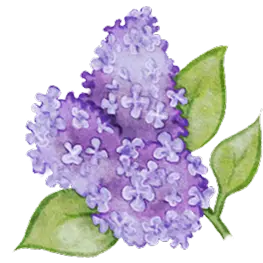


Syringa vulgaris
Scientific Experiments and Plants
At the Central Experimental Farm, many passionate scientists, horticulturists, and botanists created new plant varieties by crossbreeding. This allowed them to develop plants that were both more beautiful and more resistant to harsh weather. Thanks to their work, some plants became better adapted to Canada’s cold climate.

I was fortunate enough to create some myself. I worked on developing hybrids of crabapple trees, lilacs, roses, and many others. I truly enjoyed the process and the success of my scientific experiments.

In 1919, I succeeded in producing the first lily adapted to the Canadian climate: the Lilium ‘George C. Creelman’. This lily bloomed despite harsh winters. What a joy! Many gardening enthusiasts adopted it, but it disappeared from Canadian gardens in the 1940s. I’m proud to have contributed to the advancement of horticulture in Canada and to have shared my passion for plants.